Industrial Transformers, Power Equipment, Cabinets and Meter Boxes
We bring power conversion, electrical cabinets and metering together around your application. Our transformers, voltage stabilizers and AC power supplies match the incoming supply to your equipment, while our cabinets and meter boxes organize the connections that make the system work.
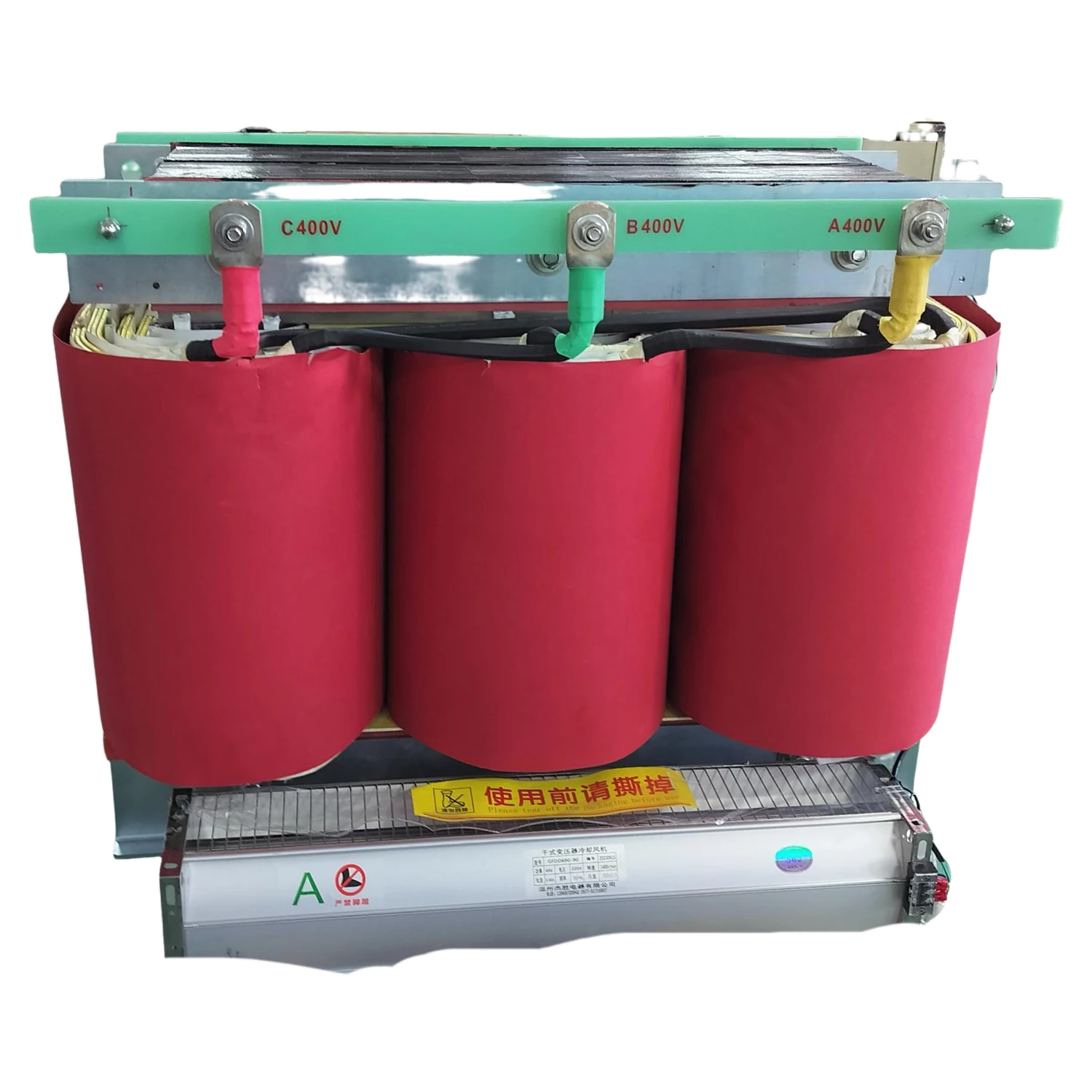
Our products connect the supply to your application
Industrial equipment depends on more than a matching voltage label. A machine can require electrical isolation, controlled AC frequency, steadier voltage or a practical arrangement for power distribution and control. We start with the job the equipment must perform and bring the relevant product families into one project discussion.
| Your application | Our product family | What the equipment does |
|---|---|---|
| Separate the supply and load circuits | Isolation transformers | Transfer energy through separate windings and match the voltage |
| Adapt voltage with a shared winding | Autotransformers | Provide voltage conversion where galvanic isolation is unnecessary |
| Manage changing incoming voltage | Voltage stabilizers | Adjust output in response to supply variation |
| Supply equipment or run AC tests | AC power supplies | Provide the required output voltage and frequency |
| Distribute and control power | Electrical cabinets | Organize circuits, devices, terminals and operating interfaces |
| House electricity metering | Electric meter boxes | Arrange meter positions, cable access and enclosure protection |
Voltage conversion and frequency conversion
A transformer changes voltage while retaining the supply frequency. When your equipment also needs a different frequency, we discuss an AC power source alongside the voltage requirement. This distinction helps connect imported or export machinery to its operating environment without treating every power problem as a transformer-sizing exercise.
Explore our six power-equipment model ranges
Our model tables bring capacity, voltage notation and physical dimensions together so you can move from a product family to a practical equipment discussion. We connect that model choice with the load, installation space and operating conditions of your project.
Transformer ranges
Our ZFSG three-phase isolation transformers cover 5–500 kVA, while our ZFSO three-phase autotransformers cover 3–500 kVA. Separate and shared windings serve different electrical arrangements; their distinction is central to the choice.
Voltage regulation and AC output
Explore ZFSBW compensated stabilizers and ZFLS oil-immersed stabilizers for voltage regulation. Our ZFDP single-phase and ZFSP three-phase AC power supplies support equipment-supply and test applications with different output requirements.
Cabinets and meter boxes built around their contents
We supply electrical cabinets and electric meter boxes as part of our core product offering. Their value comes from arranging the electrical function and physical construction together: where cables enter, how equipment mounts, which areas operators access and how heat leaves the enclosure.
Power distribution and machine control
Our distribution cabinets organize incoming and outgoing circuits. For control cabinets, we work through the operating sequence, device layout and field signals so the enclosure supports both wiring and later maintenance.
Metering configurations
Our meter-box range covers project discussions around single- or three-phase service, direct or CT metering, multiple accounts and different mounting arrangements. We coordinate meter positions, door access and cable space with the intended utility interface.
Configuration starts with the actual load
We use source and load information together when discussing equipment capacity. Continuous demand, motor starting, repeated switching and nonlinear loads place different demands on a supply. A useful configuration therefore considers how the load behaves over time, as well as its nameplate power.
At the incoming connection, voltage, phase, frequency, grounding and upstream protection shape the design. At the output, the equipment may need a neutral, a particular winding connection or enough capacity for simultaneous operation. We keep kW, kVA and current in their original units because each describes a different part of that relationship.
Our transformer application page shows how these interfaces fit into industrial machinery. A nameplate and a short description of the operating cycle are a useful way to start with our team.
Materials and layout for the working environment
We consider the environment alongside the electrical design. Heat, dust, moisture, corrosion exposure and access affect the enclosure, material choices and cooling arrangement. The same internal equipment can need a different cabinet layout when moved from a clean machine room to a dusty production area.
In power equipment, the conductor, magnetic core and insulation work together to carry current, transfer energy and manage temperature. In cabinets, material, finish, seals, mounting panels and cable entries form the working enclosure. We discuss these choices in relation to the intended duty instead of treating material selection as a stand-alone appearance decision.
Our enclosure and cooling pages explain practical options, including the trade-off between ventilation, environmental separation and service access.
Our manufacturing capabilities
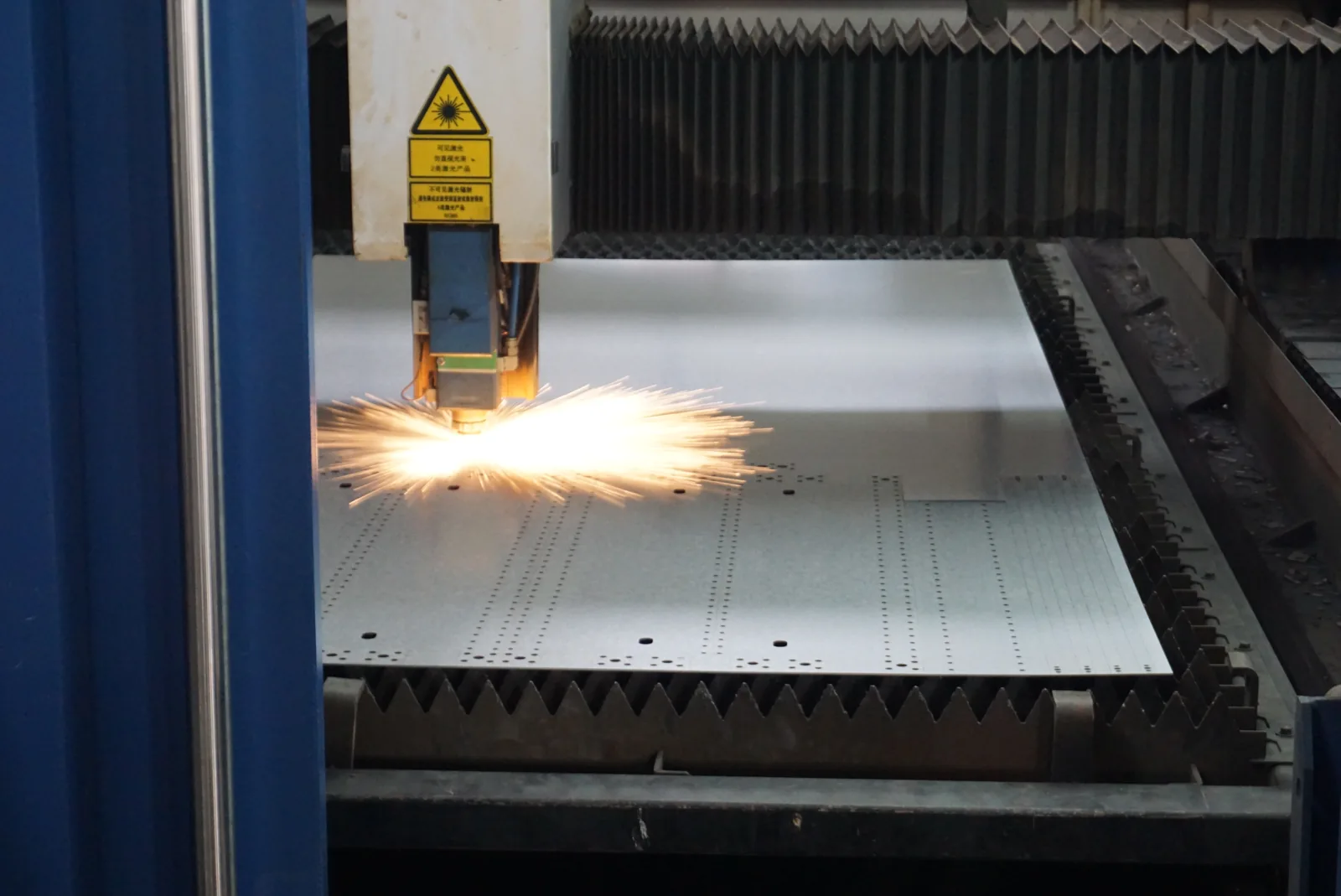
We have annual production capacity of 20,000 transformers and 3,000 voltage stabilizers. Our production equipment includes foil-winding and wire-winding machines, vacuum-pressure impregnation equipment and high-temperature ovens. These processes bring winding formation, insulation treatment and thermal processing into the manufacturing flow.
Our test equipment includes core-loss and interturn-withstand instruments, a high-current load platform, high-power AC test supplies and temperature monitoring equipment. We connect the required checks to the selected equipment and its operating duty. Our manufacturing page explains the process in more detail, while our technical team introduces the work from design through production.
Engineering for your equipment and destination
We work with industrial and export-equipment projects where the available supply differs from the machine's required input. Voltage combinations such as 480 V to 380 V, 600 V to 380 V or 440 V to 380 V illustrate the adaptation work; frequency and load characteristics remain part of the same configuration discussion.
The destination also influences installation interfaces and project documentation. We bring required drawings, electrical schedules and acceptance requirements into the proposal early, so the power equipment and cabinet arrangement can be coordinated with your machine builder, integrator or site team.
This approach keeps the technical discussion connected to the equipment that will actually be installed, including its mounting position, cable direction and surrounding system.
From equipment design to delivery preparation
We use the agreed configuration to connect electrical parameters with the outline drawing, connection details and inspection plan. Keeping those decisions together helps the purchasing, engineering and receiving teams work from the same equipment description.
Delivery preparation includes the physical details that matter beyond the factory floor: packing, equipment identification, handling space and access to the installation location. A heavy transformer or tall cabinet needs its transport envelope considered alongside the available doorway, unloading area and final position.
We discuss the order's documents and packing information with you as part of the project. That gives your team a clearer basis for planning receipt and arranging the next installation steps.
Practical information for operation and maintenance
Our project discussion includes the information your team will use after delivery. Equipment identification, the connection arrangement and the relevant operating instructions help keep installation, use and later parts inquiries tied to the same configuration.
Service access also affects design. Door movement, terminal visibility, removable panels and cooling-component access can make routine observation and planned maintenance more practical. We consider these details with the cabinet layout and surrounding clearance.
For an existing-unit inquiry, our team can start with the model, serial number, displayed condition and operating circumstances. Electrical installation and intrusive maintenance are carried out by qualified personnel using the equipment instructions and site procedures.
Tell us what you need to power
Start with your equipment, application or power problem. We can work through the source, load, product family and installation requirements with you, whether you already have a model in mind or are comparing several ways to connect the system.
A short message with the destination, quantity and key electrical details helps us focus the discussion. If you have drawings, a nameplate photo or an equipment list, mention them so we can arrange a document exchange. Your project does not need to be fully specified before you contact us.
Email: power@chinatransformermanufacturer.com · Phone: +86 138 3312 4686. Visit our contact page for more ways to reach our team.