About China EverBen Transformer
We develop and manufacture industrial power equipment and work with customers on the cabinets and metering arrangements around it. Our focus is practical: connect the right electrical function, construction and operating conditions for each project.
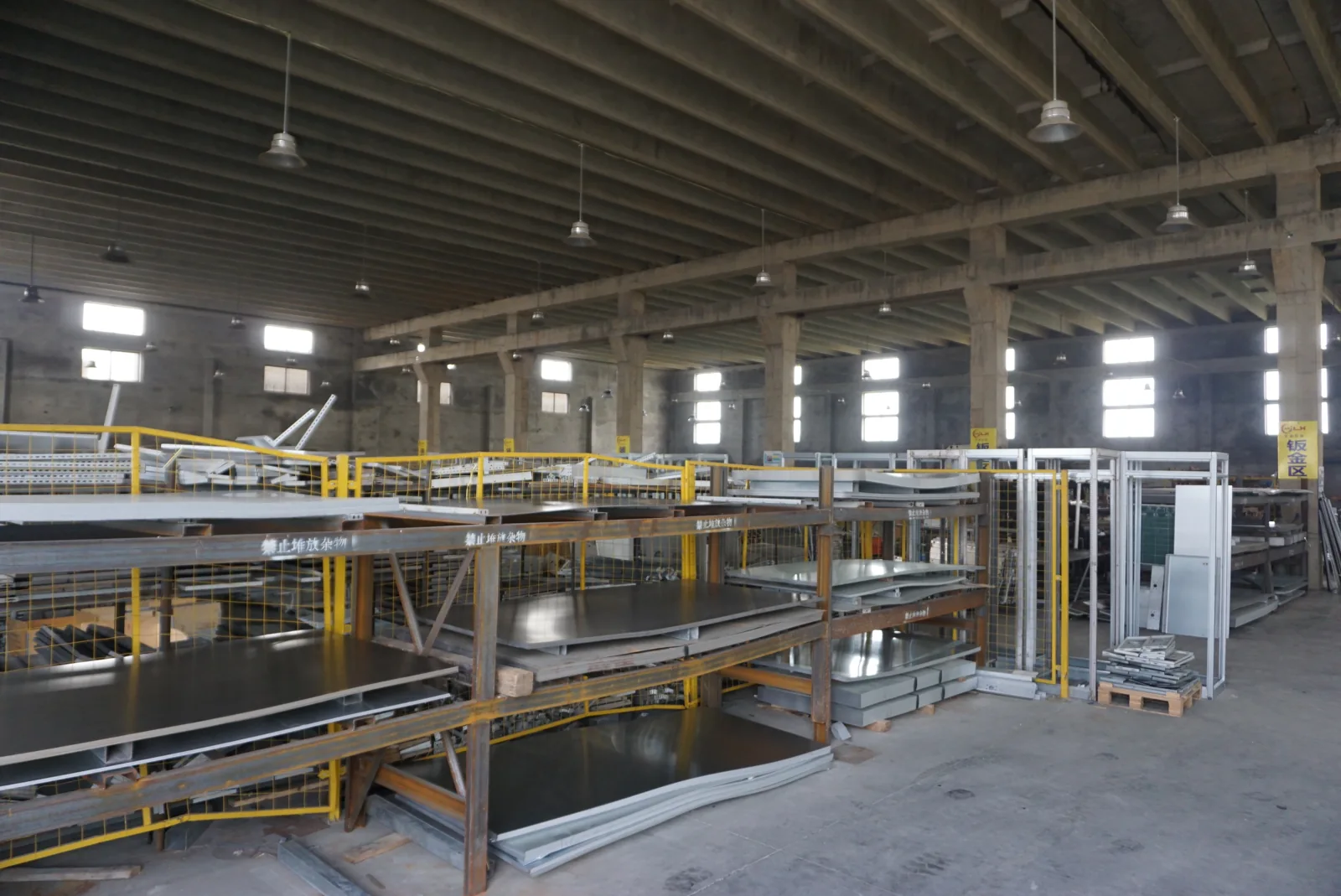
We specialize in power equipment and electrical assemblies
We are China EverBen Transformer, serving industrial power applications through transformers, voltage stabilizers, AC power supplies, electrical cabinets and electric meter boxes. Research, product design and manufacturing sit alongside our work on project-specific electrical and mechanical requirements.
Our customers' equipment is the starting point: the power it needs, the supply available at the installation and the way it will be operated. By bringing those conditions together, we can discuss a transformer, power source or cabinet as part of a working system.
Registered office
12-302 Sunac Urban Center, No. 10 XianMing Road, Chang'An District
Shijiazhuang, Hebei, China 050000
Our five product families
Power conversion and regulation
Our transformers provide voltage conversion and winding arrangements for different source-to-load relationships. Our voltage stabilizers address incoming voltage variation, while our AC power supplies provide voltage and frequency output for equipment and testing.
Cabinets and metering
We also supply electrical cabinets and electric meter boxes. These products organize distribution, controls, metering devices and the physical connections around them. Enclosure size, door access, internal layout and cable routing are developed around their function.
Our product range connects these families with the related application and interface topics that help shape a complete project discussion.
Our technical team connects design and production
Our experienced engineers and technical staff work across product design, sample development, material selection and production processes. This connection matters when an electrical requirement changes the physical equipment: a different winding arrangement can affect terminals and enclosure space, while an altered duty cycle can change the thermal discussion.
| Stage | Our focus | Value for your project |
|---|---|---|
| Application discussion | Supply, load, operating cycle and installation | A configuration based on the equipment's actual task |
| Design and sample work | Electrical arrangement, construction and interfaces | Alignment of function, fit and connection needs |
| Materials and process planning | Components, winding, insulation and fabrication | Coordination between the design and how it is made |
| Inspection and handover | Equipment checks, identification and project documents | Information that stays useful through delivery and use |
Our annual production capacity
We have annual production capacity of 20,000 transformers and 3,000 voltage stabilizers. This manufacturing base supports our work across industrial equipment and custom power-conversion projects.
Production planning brings the equipment type, batch size, design work and inspection activities together. A repeated machine requirement and a new custom assembly follow different preparation paths: one may use an established configuration, while the other needs dimensions, connections and component choices developed with the project team.
We discuss those steps as part of the order schedule, including drawing decisions and any sample work. Connecting engineering preparation with production planning helps keep changes visible before they affect the finished equipment.
Manufacturing and testing equipment with a clear purpose
Our foil-winding and wire-winding machines form the conductors that carry load current and establish the transformer winding arrangement. Vacuum-pressure impregnation and high-temperature ovens support insulation treatment and the subsequent curing process. The winding and insulation construction work together mechanically, electrically and thermally.
Our testing equipment includes core-loss instruments, interturn-withstand instruments, a high-current load platform, high-power AC test supplies and temperature monitoring equipment. These tools address different aspects of the equipment rather than treating a single energization check as the whole manufacturing process.
On our manufacturing page, we explain how process steps and equipment checks relate to the product and operating duty.
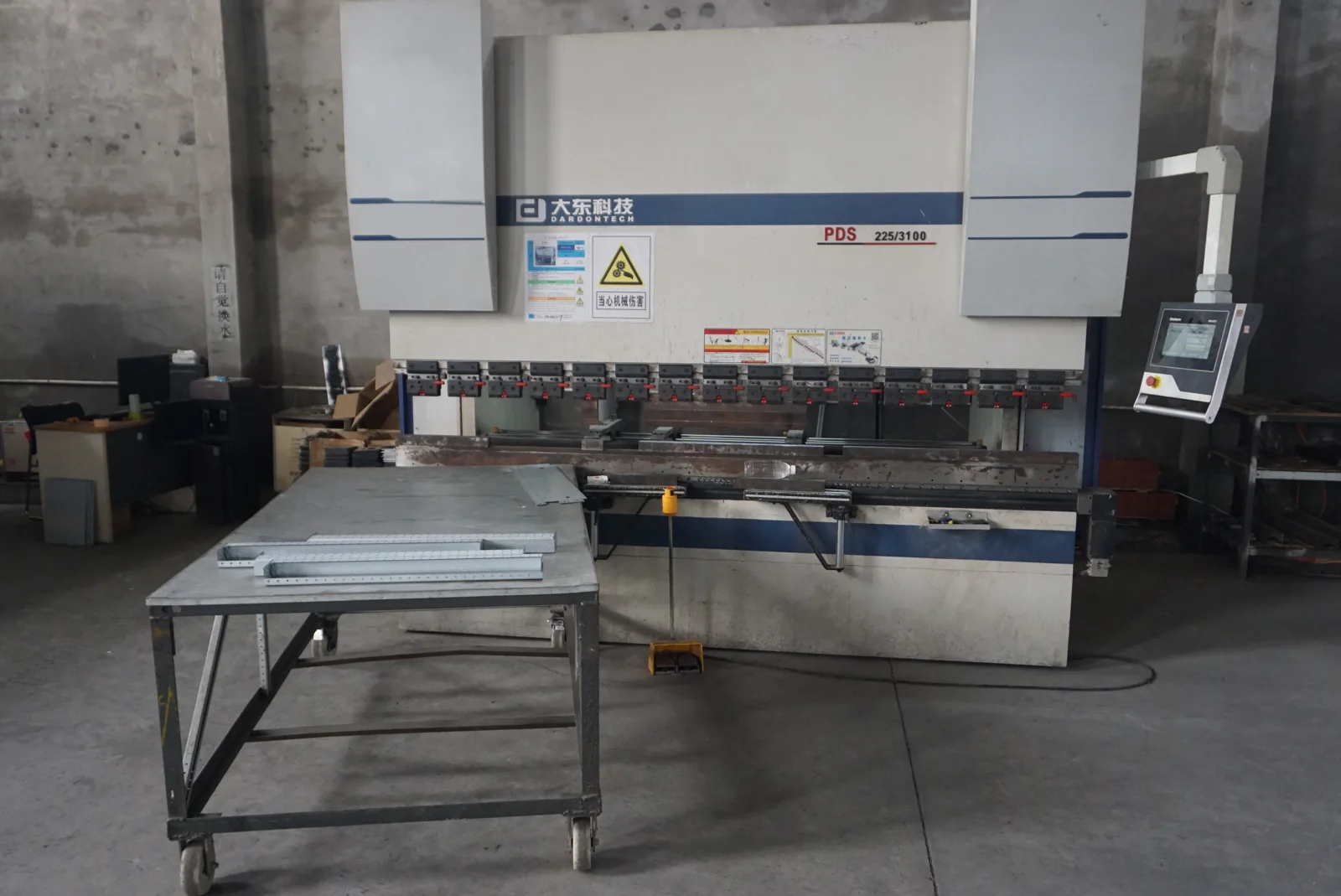
Custom configuration around electrical and mechanical needs
We work from the required function toward a practical construction. For a transformer, that includes the source and load voltage, phase, frequency, winding relationship and demand over the operating cycle. For a cabinet, it includes the devices inside, their connections, access and heat dissipation.
Material choices are part of that design. Conductor cross-section and core characteristics affect the transformer, while enclosure material, finish and seals respond to the installation environment. A larger cabinet can create wiring space but also changes the footprint; a cooling opening changes airflow and environmental separation. We discuss these relationships together.
The selected arrangement is carried into the project drawings and configuration description, giving your team a consistent reference as details are developed.
Power equipment for industrial and export applications
We work with requirements from machine tools, industrial automation, laser and printing equipment, renewable-energy equipment and other industrial loads. These applications place different emphasis on starting demand, continuous operation, available space and the quality of the incoming supply.
Connecting equipment across voltage systems
Voltage adaptation can include 480 V to 380 V, 600 V to 380 V or 440 V to 380 V. We consider the voltage pair together with the load, phase, winding arrangement and frequency. A passive transformer retains the incoming frequency; equipment that needs a different frequency brings our AC power-supply range into the discussion.
Our industrial transformer applications and solar and energy-storage interfaces pages explain the different system relationships.
Project information that follows the equipment
We organize the project discussion around the equipment configuration, its connections and the information your team needs to use it. Electrical parameters, the outline drawing, terminal arrangement and selected materials each answer a different practical question.
During the proposal, we discuss the required document set and the acceptance requirements for the destination. This can include the drawing revision, equipment identification, inspection items and operation information to accompany the order. Specific project approval requirements are addressed for the selected assembly.
Keeping configuration and document revisions connected makes later discussions clearer. A replacement-part inquiry, an installation-layout change or a repeat order can refer to the same equipment description instead of starting again from a general product name.
From the first conversation to equipment handover
We begin with your application and available equipment information. Together we work through the supply, load, installation and control interfaces, then connect the chosen arrangement to the quotation and project drawings.
As the configuration develops, we discuss inspection, packing and the information needed for receiving. Physical details such as the handling envelope, delivery access and cable direction can be just as important to the installation team as the electrical rating.
Handover brings the equipment identifiers and agreed documents together for your team. Qualified personnel carry out site installation and energization using the relevant instructions. Commercial and service arrangements are addressed with the equipment order so the next steps are clear to both sides.
Our quotation and order documents identify the contracting and invoicing entity, its contact details and the equipment scope. We bring these commercial details together with the agreed configuration, document list and delivery arrangements so your purchasing and receiving teams have a consistent order reference.
Talk with our team about your project
Whether you need a single power-conversion product or are coordinating several cabinets and electrical interfaces, we welcome a discussion around your equipment. Share the application, destination and the main electrical conditions you already know. We can work through the remaining configuration questions with you.
For an existing unit, a model or serial number helps us identify the equipment. Mention any drawings or photographs available so we can arrange a follow-up document exchange.
Email: power@chinatransformermanufacturer.com · Phone: +86 138 3312 4686. Visit our contact page to get in touch.